DIY Organic Garden Solutions

Create Sustainable Solutions at Home

Simple Composting Bins

Building your own compost bin is easier than you might think. You can create an effective composting system using simple materials like wooden pallets, plastic containers, or even wire mesh.

Step 1: Choose a location that's easily accessible but not too close to your house. The area should have good drainage and partial shade.

Step 2: For a basic bin, use four wooden pallets or boards to create a square or rectangular frame. Leave gaps between boards for air circulation, or use wire mesh for better airflow.

Step 3: Create a lid from wood or use a tarp to cover the bin. This helps retain moisture and heat while keeping out excess rain.

Step 4: Start adding your compost materials in layers: brown materials (carbon) followed by green materials (nitrogen), then a thin layer of soil or finished compost to introduce beneficial microorganisms.
DIY compost bin construction

Step 5: Turn the compost every 2-3 weeks to aerate it and speed up decomposition. Keep it moist but not soggy. Your compost should be ready in 2-6 months depending on materials and conditions.
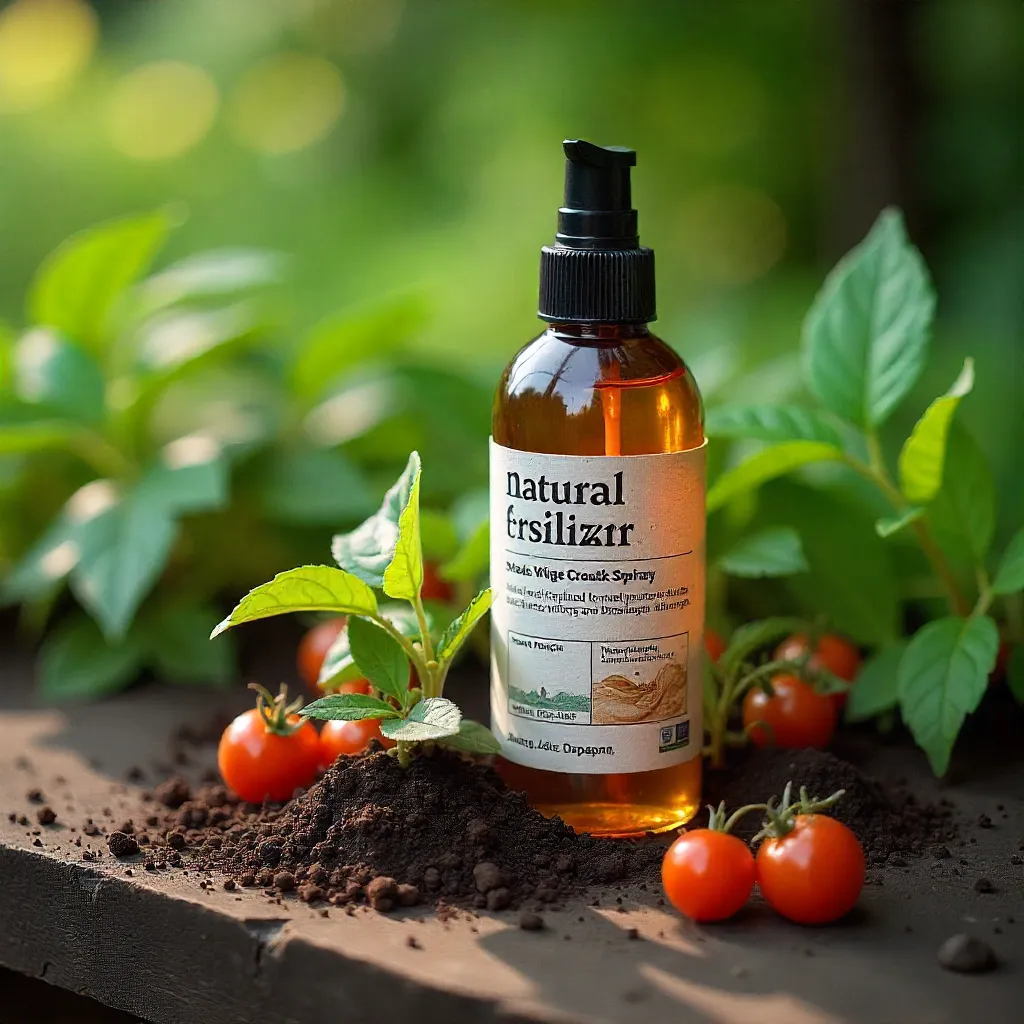
Liquid Fertilizer Making

Creating liquid fertilizer from compost or plant materials is a great way to provide quick nutrients to your plants. Here's how to make effective liquid feeds at home.

Compost Tea Recipe: Fill a bucket one-third full with finished compost. Add water to fill the bucket, leaving a few inches at the top. Stir daily for 3-5 days. Strain through cheesecloth or a fine mesh. Dilute the resulting liquid with equal parts water before use.

Manure Tea Recipe: Place well-aged manure in a burlap sack or mesh bag. Suspend it in a bucket of water for 2-3 days. Remove the bag and dilute the liquid until it's the color of weak tea. Apply to plant roots, not leaves.

Weed Tea Recipe: Fill a container with common weeds (before they seed). Cover with water and let steep for 2-3 weeks, stirring occasionally. Strain and dilute before using. This provides nitrogen and trace minerals.

Always use liquid fertilizers within a few days of making them, and apply in the morning or evening to avoid leaf burn from sun exposure.

Pest-Repelling Sprays

Homemade pest-repelling sprays are effective, safe, and cost-efficient. Here are several recipes you can make with common household ingredients.

Garlic Spray: Blend 10-12 garlic cloves with 1 quart of water. Let the mixture steep overnight, then strain through cheesecloth. Add a few drops of mild liquid soap to help the spray stick to leaves. This works against aphids, spider mites, and other soft-bodied insects.

Hot Pepper Spray: Blend 2-3 hot peppers (wear gloves!) with 1 quart of water. Strain and add 1 teaspoon of liquid soap. This deters chewing insects. Test on a small area first to ensure it doesn't damage sensitive plants.

Neem Oil Spray: Mix 1 teaspoon of neem oil with 1 quart of warm water and 1/4 teaspoon of mild liquid soap. Shake well before each use. This disrupts pest life cycles and is safe for beneficial insects when used properly.

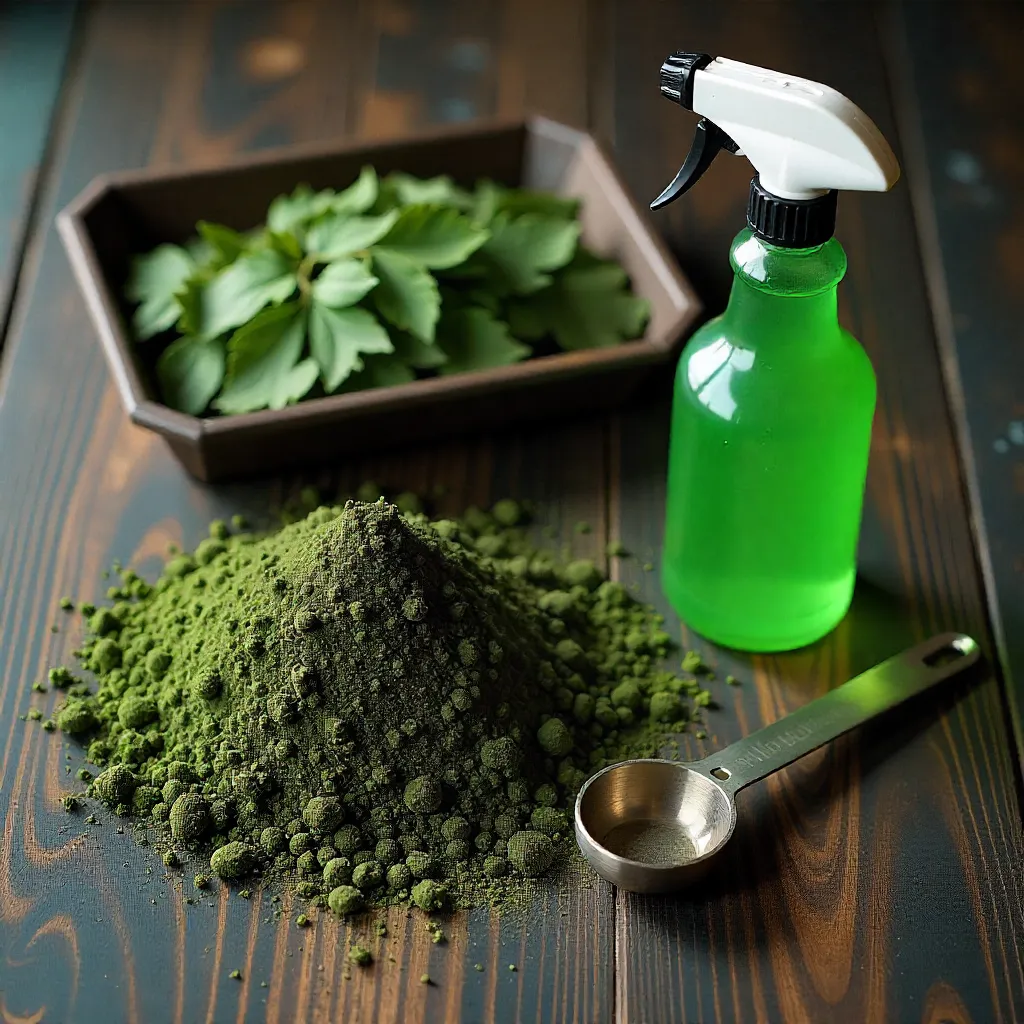
Homemade pest repellent preparation

Apply sprays in the early morning or evening to avoid sun damage. Reapply after rain. Always test on a small area first and avoid spraying during peak pollinator activity.

Upcycled Plant Containers

Transform everyday items into unique plant containers while reducing waste. Many household items can be repurposed for gardening with minimal modification.

Plastic Containers: Clean milk jugs, soda bottles, and food containers can become planters. Cut openings for planting, add drainage holes in the bottom, and decorate as desired. These work well for herbs and small vegetables.

Wooden Crates: Old wooden crates or boxes make excellent raised beds or container gardens. Line with landscape fabric to prevent soil loss, then fill with quality potting mix.

Ceramic & Glass: Old teapots, bowls, and jars can become decorative planters. Ensure proper drainage by adding a layer of gravel at the bottom or drilling holes if possible.

Fabric Bags: Burlap or canvas bags can be used for growing potatoes, carrots, and other root vegetables. They're breathable and can be easily moved.

Always ensure containers have adequate drainage. For items without drainage holes, use a layer of gravel and be careful not to overwater. Match container size to plant needs for best results.

Sustainability Tips for Materials

Source Locally

Look for materials in your community. Check local businesses for wooden pallets, containers, or other items they're discarding.

Durability Matters

Choose materials that will last multiple seasons. Well-maintained wooden containers can serve for years.

Avoid Treated Materials

Don't use pressure-treated wood or containers that held toxic substances. These can leach harmful chemicals into your soil.

Repair & Reuse

Extend the life of containers by repairing cracks, replacing broken parts, and maintaining them properly between seasons.

Step-by-Step Project Guides

Each DIY project requires careful planning and execution. Start with simple projects and gradually tackle more complex ones as you gain experience.

Keep a garden journal to track what works best in your specific conditions. Note weather patterns, plant responses, and any adjustments you make to recipes or methods.

Share your successes with other gardeners and learn from their experiences. Many communities have gardening groups where you can exchange ideas and materials.

Remember that DIY solutions may require some experimentation. What works in one garden might need adjustment in another. Be patient and willing to adapt your methods based on results.