Natural Fertilizers & Soil Boosters

Nourish Your Garden the Organic Way

Compost & Organic Waste

Composting is one of the most effective ways to create nutrient-rich fertilizer for your garden. By recycling kitchen scraps, yard waste, and organic materials, you can produce a natural soil amendment that improves soil structure and provides essential nutrients.

Successful composting requires a balance of green materials (nitrogen-rich) and brown materials (carbon-rich). Green materials include vegetable scraps, coffee grounds, and grass clippings. Brown materials include dried leaves, straw, and cardboard.
Compost bin with organic materials

Turn your compost regularly to aerate it and speed up decomposition. Within a few months, you'll have dark, crumbly compost ready to enrich your garden soil. This natural fertilizer improves water retention, adds beneficial microorganisms, and provides slow-release nutrients to your plants.

Manure-Based Solutions

Well-aged manure from herbivorous animals is an excellent source of organic matter and nutrients. Cow, horse, chicken, and rabbit manure can all be used in the garden, but they must be properly composted before application to avoid burning plants and eliminating pathogens.

Manure should be aged for at least six months before use. Fresh manure contains high levels of ammonia and can damage plant roots. Composted manure provides nitrogen, phosphorus, potassium, and trace minerals that plants need for healthy growth.

Apply composted manure as a top dressing around plants or mix it into the soil before planting. It works particularly well for heavy-feeding vegetables like tomatoes, peppers, and squash. Always source manure from animals that haven't been treated with antibiotics or hormones.

Liquid Plant Feeds

Liquid fertilizers provide quick nutrient availability to plants and are especially useful during the growing season. You can create effective liquid feeds from compost, manure, or plant materials.

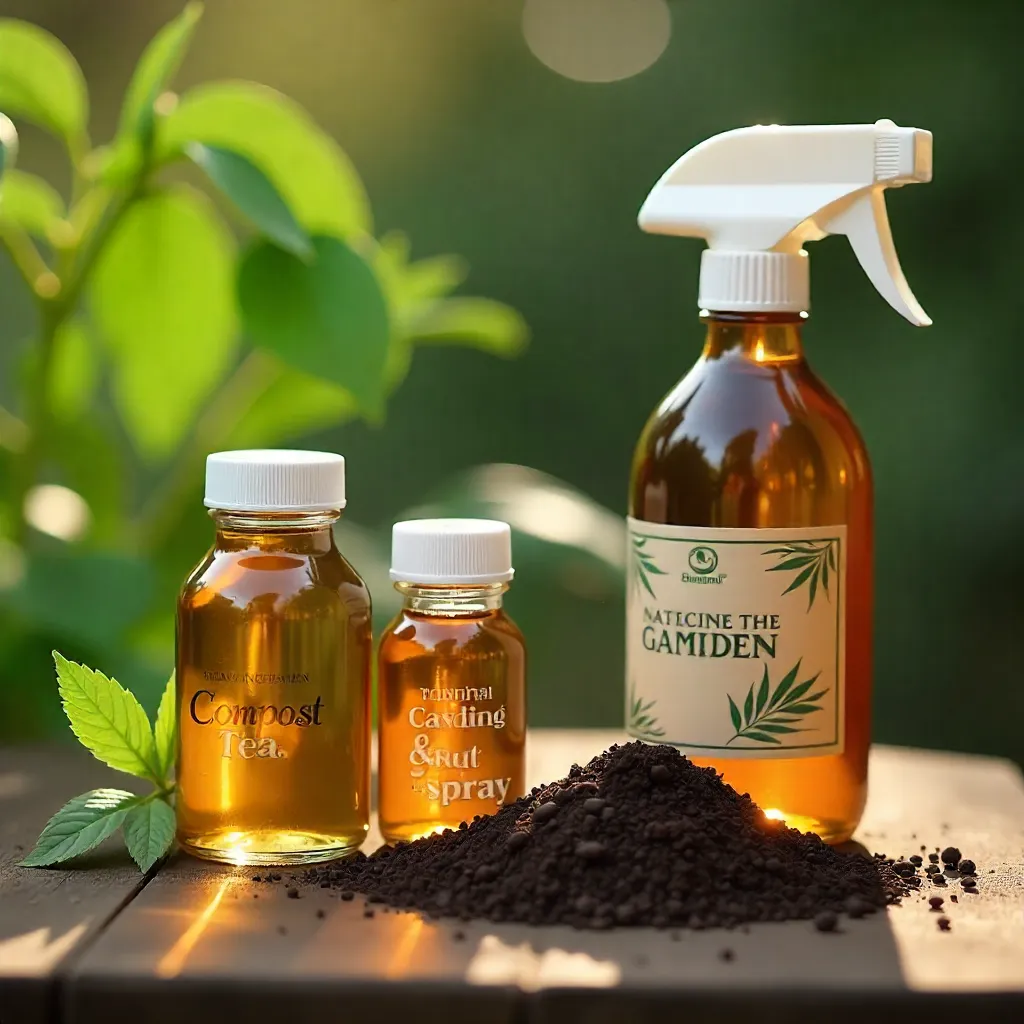
Compost tea is made by steeping finished compost in water for 24-48 hours. This creates a nutrient-rich liquid that can be applied directly to plant roots or used as a foliar spray. It provides beneficial microorganisms along with nutrients.

Manure tea follows a similar process using well-aged manure. Dilute the resulting liquid before application to prevent nutrient burn. These homemade liquid feeds are cost-effective alternatives to commercial products and can be customized for your specific plant needs.

Homemade Fertilizer Recipes

Banana Peel Fertilizer

Rich in potassium, banana peels can be buried near plants or soaked in water to create a potassium-rich liquid feed. Perfect for flowering and fruiting plants.

Eggshell Calcium Boost

Crushed eggshells add calcium to soil, helping prevent blossom end rot in tomatoes and peppers. Mix into soil or create a powder for easy application.

Coffee Grounds Nitrogen

Used coffee grounds provide nitrogen and improve soil structure. Mix directly into soil or add to compost pile for an extra nitrogen boost.

Eco-Friendly Store-Bought Options

When making your own fertilizer isn't practical, look for certified organic products that use natural ingredients. Fish emulsion, seaweed extracts, and bone meal are excellent options that provide specific nutrients without synthetic chemicals.

Always read labels carefully to ensure products are truly organic and free from harmful additives. Many organic fertilizers work slowly, releasing nutrients over time as they break down in the soil. This provides steady nutrition without the risk of over-fertilization.

Consider the specific needs of your plants when choosing store-bought fertilizers. Leafy greens benefit from nitrogen-rich formulas, while flowering plants need more phosphorus. Root vegetables appreciate potassium for healthy development.

Application Tips

Timing Matters

Apply fertilizers during active growth periods. Most plants benefit from feeding in spring and early summer when they're putting on new growth.

Less is More

Over-fertilization can harm plants and soil. Start with smaller amounts and observe plant response before increasing application rates.

Soil Testing

Test your soil periodically to understand its nutrient levels. This helps you apply the right fertilizers in appropriate amounts.