Safe Pest Control

Protect Your Garden Without Harmful Chemicals

Companion Planting

Companion planting is a time-tested method that uses the natural properties of certain plants to repel pests and attract beneficial insects. By strategically placing plants together, you can create a natural defense system for your garden.

Marigolds release compounds that deter nematodes and many flying insects. Plant them around tomatoes, peppers, and other vegetables to provide natural protection. Basil repels aphids and mosquitoes while enhancing the flavor of nearby tomatoes.
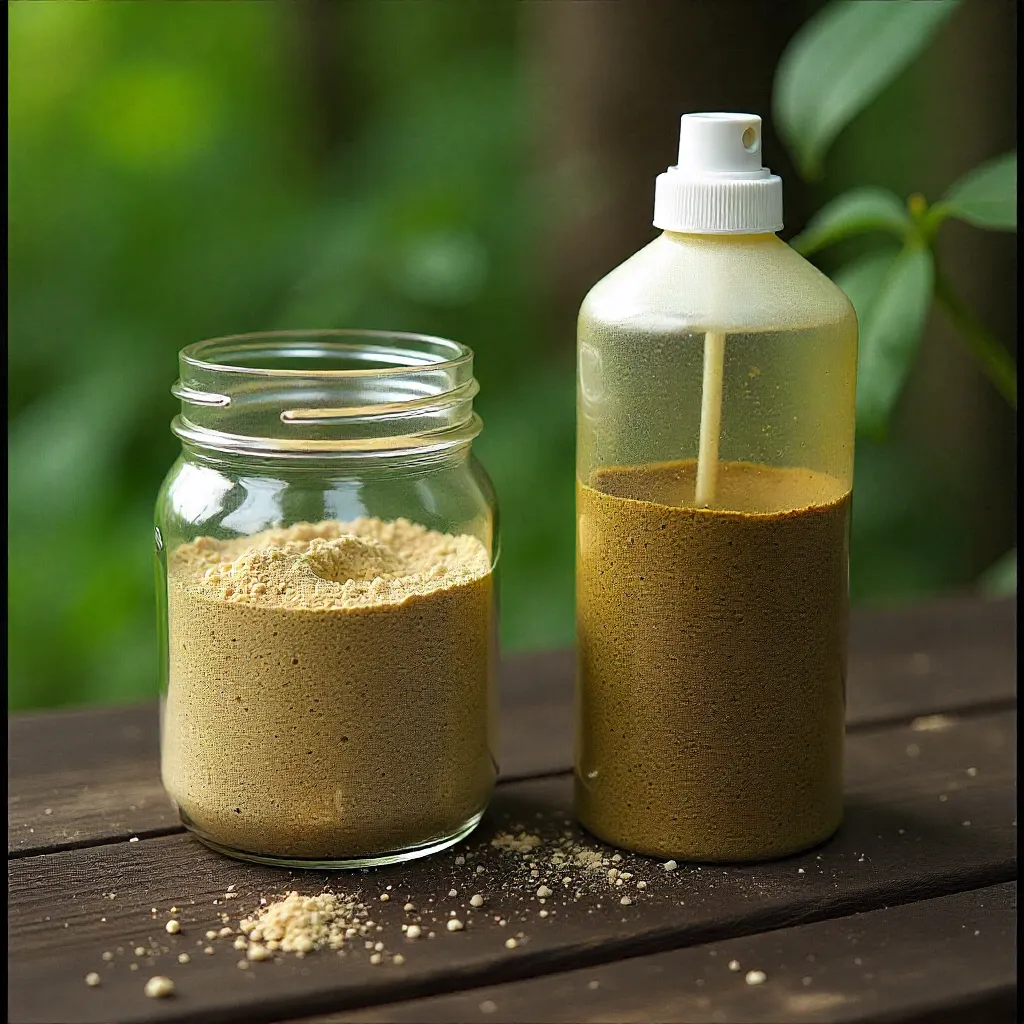
Companion planting in garden

Nasturtiums attract aphids away from your main crops, acting as a trap crop. Chives and garlic help repel Japanese beetles and other pests. Research which companion plants work best for your specific crops and pest problems.

Homemade Sprays & Repellents

Simple ingredients from your kitchen can create effective pest repellents. Garlic spray works well against aphids, spider mites, and other soft-bodied insects. Blend garlic cloves with water, let steep overnight, then strain and spray on affected plants.

Neem oil is a natural insecticide derived from neem trees. It disrupts pest life cycles without harming beneficial insects when used properly. Mix with water and a small amount of mild soap to create an effective spray.

Hot pepper spray deters many chewing insects. Blend hot peppers with water, strain, and add a few drops of dish soap to help the solution stick to leaves. Always test on a small area first to ensure it doesn't damage sensitive plants.

Natural Predators & Eco-Balance

Beneficial Insects

Ladybugs, lacewings, and praying mantises are natural predators that control pest populations. Attract them with flowering plants and avoid broad-spectrum pesticides.

Birds & Wildlife

Many birds feed on garden pests. Provide birdhouses and water sources to encourage them to visit your garden regularly.

Soil Health

Healthy soil supports beneficial microorganisms and earthworms that help control pest populations naturally.

Indoor vs Outdoor Plants Considerations

Indoor plants face different pest challenges than outdoor gardens. Common indoor pests include spider mites, mealybugs, and fungus gnats. These often thrive in dry, warm conditions typical of indoor environments.

For indoor plants, increase humidity around plants to discourage spider mites. Use yellow sticky traps to catch fungus gnats. Isolate new plants for a few weeks before introducing them to your collection to prevent pest spread.

Outdoor plants benefit from natural predators and weather conditions that help control pests. However, they may face larger pest populations. Use a combination of companion planting, physical barriers, and natural sprays for best results.

Preventive Gardening Techniques

Prevention is always easier than treatment. Start with healthy soil, as strong plants are more resistant to pest damage. Rotate crops annually to prevent pest populations from building up in specific areas.

Remove plant debris regularly, as it can harbor pests and diseases. Keep your garden clean and well-maintained. Water plants at the base rather than overhead to reduce fungal issues that can attract pests.

Use physical barriers like row covers to protect plants from flying insects. Hand-pick larger pests like caterpillars and beetles when you see them. Early intervention prevents small problems from becoming major infestations.

Pest Control Methods Comparison

Method Effectiveness Eco-Rating Best For
Companion Planting Moderate to High Excellent Prevention, long-term control
Homemade Sprays Moderate Excellent Active infestations, quick action
Natural Predators High Excellent Ongoing pest management
Physical Barriers High Excellent Specific pest prevention
Preventive Techniques High Excellent Long-term garden health

Tips by Plant Type

Vegetables

Use row covers for early season protection. Interplant with herbs and flowers to confuse pests. Monitor regularly for early detection.

Herbs

Most herbs are naturally pest-resistant. Ensure good air circulation and avoid overwatering to prevent fungal issues.

Flowers

Attract beneficial insects with diverse flower plantings. Remove spent blooms to prevent pest hiding places.